Smart Design For Hot/Humid Climates - Architect Peter L Pfeiffer, FAIA Part 1 of 2
SUMMARY
The speaker discusses the origins of green building in Austin during the 1980s, including energy conservation, water use, and the Austin Green Building Program.
IDEAS:
- Austin’s early 1980s energy initiatives led to the national Energy Star program.
- Energy conservation was cheaper than building new power plants in Austin.
- Austin’s green building program focused on reducing landfill waste from construction.
- The term “green building” originated from Austin’s eco-friendly initiatives.
- Austin’s green building program predates the USGBC’s LEED certification.
- The program adjusts incentives based on effectiveness in conserving resources.
- Green building principles include reduced consumption, improved health, and less environmental impact.
- Remodeling existing structures is more eco-friendly than new construction.
- The energy conservation pyramid prioritizes design over expensive technology.
- Basic energy-saving measures are often more cost-effective than high-tech solutions.
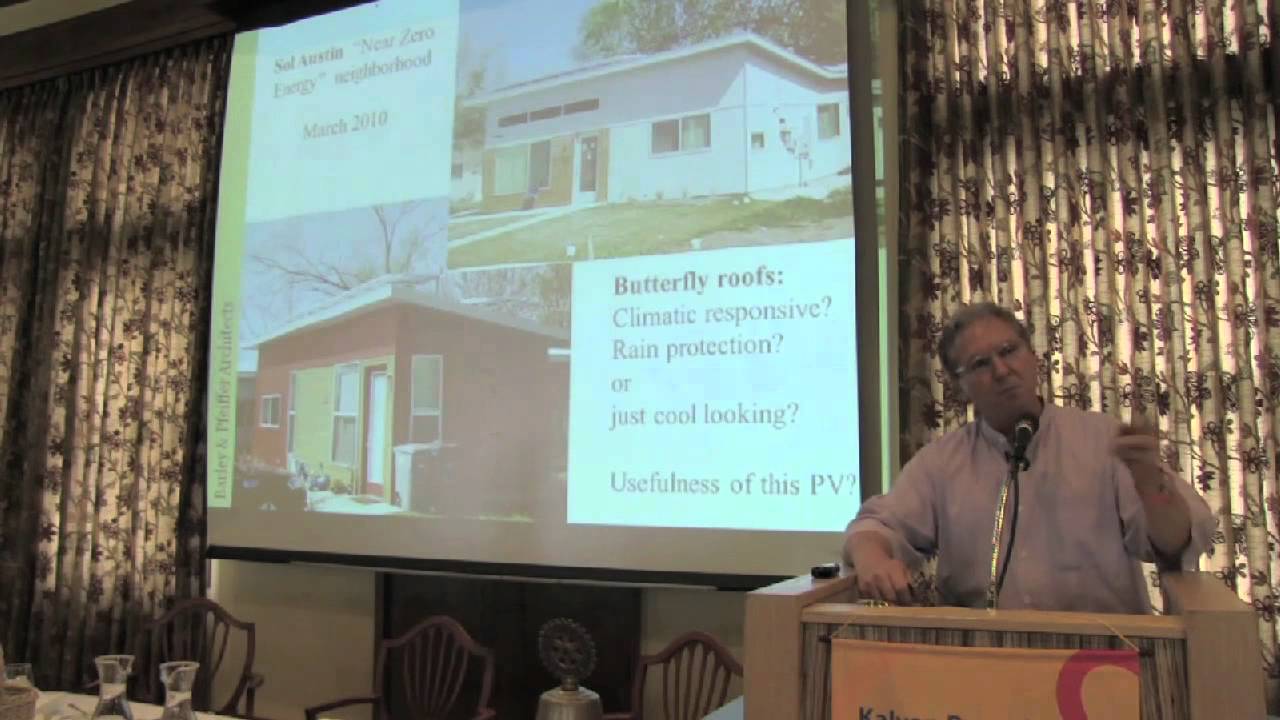
- Solar panels may not be as effective as simpler energy-saving designs.
- The speaker’s own home exemplifies practical green building strategies.
- Maintenance and longevity of green technologies are important considerations.
- Educating clients on energy-efficient design choices is crucial for architects.
- Choosing a home’s orientation can significantly impact energy efficiency.
- Donating deconstructed materials to charities can provide tax benefits.
- Two-story homes can be more energy-efficient than single-story expansions.
- Reasonable ceiling heights can reduce the volume of air needing conditioning.
INSIGHTS:
- Early green initiatives in Austin sparked a nationwide energy efficiency movement.
- Cost-effective energy conservation can outpace the benefits of new power sources.
- The birthplace of “green building” was Austin, influencing global sustainability practices.
- Adjusting incentives based on actual conservation results refines green programs.
- Remodeling leverages existing infrastructure for environmental and carbon footprint benefits.
- Design choices at the base of the energy pyramid have lasting impacts.
- High-tech green solutions may underperform compared to simple design changes.
- Solar technology requires maintenance that may deter widespread adoption.
- Client education in green building can lead to more sustainable lifestyle choices.
- Strategic home orientation is a simple yet powerful energy-saving measure.
QUOTES:
- “Austin is the star in the center of Texas."
- "Saving energy is much less expensive than building a new power plant."
- "The oldest and most established green building program in the world is Austin’s."
- "It’s always better to remodel a house…than it is to build a new house out in the hinterlands."
- "You can’t air-condition your neighborhood; you want to air-condition your home only."
- "The single most expensive strategies are still the least effective."
- "Do green by design before you get into green by gizmo."
- "I learned why they call them active solar systems…you have to actively participate in their maintenance."
- "If you’re interested in starting off with an energy-efficient home…look for a lot or home on an east-west running street."
- "By making it a two-story house we can probably save you 30 percent on your energy bills.”
HABITS:
- Prioritizing energy efficiency in home and appliance purchases.
- Regularly maintaining solar panels for optimal performance.
- Seeking tax benefits through donation of deconstructable materials.
- Educating oneself on sustainable design before home renovations.
- Considering environmental impact when planning new construction projects.
- Implementing passive design elements like window shading for energy savings.
- Choosing home locations based on optimal solar orientation for efficiency.
- Opting for reasonable ceiling heights to reduce air conditioning needs.
- Advocating for green design over reliance on technological gadgets.
- Analyzing cost-effectiveness and payback periods for green investments.
FACTS:
- Austin’s Energy Star program inspired the federal Energy Star initiative.
- The city doubled in size before needing a new power source due to the program.
- Austin’s green building program was the first of its kind in North America.
- The program saves more money by incentivizing energy savings than building plants.
- Green building encompasses reduced consumption, health improvement, and environmental impact reduction.
- The Austin Green Building Program adjusts incentives based on effectiveness feedback.
- Proper solar orientation and shading can significantly reduce energy consumption.
- Donating deconstructed materials can provide significant tax deductions for homeowners.
REFERENCES:
- Austin Energy Star program
- South Texas nuclear power plant
- US Green Building Council’s LEED program
- USDA food guide pyramid
- Habitat for Humanity
- Better Homes and Gardens
RECOMMENDATIONS:
- Consider home orientation for natural cooling before installing air conditioning.
- Donate deconstructable materials to charities for tax benefits and sustainability.
- Prioritize passive design elements over high-tech solutions for energy savings.
- Educate clients on sustainable design choices for long-term environmental benefits.
- Choose two-story designs over expansions for better energy efficiency at home.
- Maintain solar panels regularly to ensure their long-term effectiveness and savings.