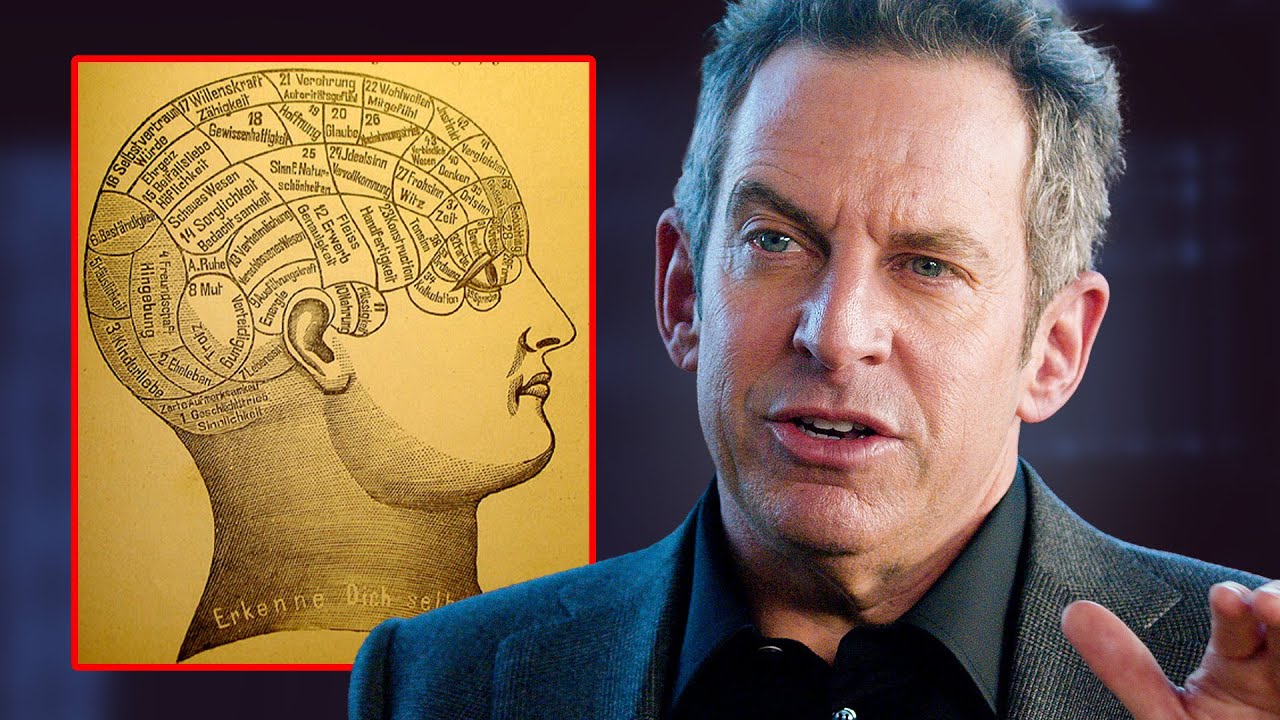
The Self is an Illusion - Sam Harris
SUMMARY
Sam Harris discusses the nature of consciousness, self, and the impact of psychedelics and meditation on our perception of reality.
IDEAS:
- Consciousness appears in the brain, creating images and sounds internally.
- Words emerge spontaneously without conscious calculation during speech.
- Failures in speech are as mysterious as successful communication.
- Ego death in spiritual experiences may relate to a sense of selflessness.
- Psychedelics guarantee a change in experience, unlike other disciplines.
- Psychedelic experiences can mislead spiritual progress as content changes.
- Meditation reveals consciousness’s nature, independent of content changes.
- Selflessness in meditation can equalize ordinary and extraordinary experiences.
- Non-duality in meditation is recognizing consciousness without a self-center.
- Meditation can alleviate psychological suffering by recognizing selflessness.
- The sense of self is a reaction to experiences, not an entity.
- Consciousness is deeply impersonal and transcendent of individuality.
- The feeling of being a subject is undercut through meditation.
- Thoughts are unique to individuals due to their physical systems.
- Consciousness is the condition allowing qualitative experiences to appear.
- The feeling of self is an appearance in consciousness, not a constant.
- Logical analysis can reveal the vulnerability of the feeling of self.
- Existential questions are tied to psychological well-being and mental health.
- Therapy can be essential when grappling with existential anxiety.
- BetterHelp offers therapy sessions via phone, video call, or messaging.
INSIGHTS:
- Consciousness creates a subjective reality within the brain, independent of external stimuli.
- Spontaneous speech suggests a deeper, unconscious source of language generation.
- The concept of ego death aligns with realizing the illusory nature of self.
- Psychedelics provide a shortcut to altered states, unlike gradual practices like meditation.
- True spiritual progress isn’t about changing experiences but understanding consciousness itself.
- Meditation offers insight into consciousness that is constant, regardless of content.
- Recognizing selflessness through meditation can transform ordinary consciousness into freedom.
- The sense of self is an illusion perpetuated by our reactions to sensory inputs.
- Individual thoughts are tied to unique physical brains but share a common consciousness.
- Therapy can be a valuable tool for navigating the complexities of existential thought.
QUOTES:
- “Everything that I know of you is just appearing in my brain."
- "Words are just going. I didn’t know I was about to say ‘going’."
- "Your success is mysterious and your failure is mysterious."
- "Psychedelics… they’re guaranteed to do something."
- "Spiritual expansion… is a matter of changing the contents of Consciousness."
- "Any qualitative change in the contents of Consciousness is by definition temporary."
- "Impermanence rules."
- "Ordinary Consciousness can be free of self and extraordinary."
- "Freedom… equalizes those two states."
- "Consciousness itself… is present whatever the contents."
- "The sense of self… drops out."
- "There’s just this pure perception of hearing prior to the concept of self."
- "There’s no Center to this experience."
- "Consciousness… is deeply impersonal and in some sense Transcendent."
- "The sense of self is a kind of contraction."
- "Consciousness… is just the fact that anything is appearing at all."
- "People aren’t illusions… but the eye part of it becomes impersonal."
- "Consciousness for me is the same as for you whatever you’re conscious of."
- "The feeling of being a subject is undercut through meditation."
- "The feeling of self… must be an appearance in Consciousness.”
HABITS:
- Paying attention to spontaneous thoughts during conversations for insight.
- Reflecting on the nature of speech and its connection to consciousness.
- Considering the implications of ego death in spiritual experiences.
- Using psychedelics cautiously as a gateway to altered states of mind.
- Practicing meditation to understand the nature of consciousness and self.
- Recognizing impermanence in experiences to find deeper well-being.
- Seeking equanimity through non-duality and selflessness in meditation.
- Observing thoughts as appearances in consciousness without attachment.
- Embracing therapy for existential anxiety and psychological well-being.
- Engaging with BetterHelp for convenient access to mental health support.
FACTS:
- Consciousness creates internal representations like images and sounds within us.
- Speech often emerges without premeditation, indicating unconscious processes.
- Ego death refers to losing the sense of individual self during spiritual experiences.
- Psychedelics reliably alter experiences, unlike meditation or yoga practices.
- Spiritual progress involves understanding consciousness rather than changing experiences.
- Meditation can reveal a constant aspect of consciousness beyond content changes.
- Selflessness in meditation can alleviate psychological suffering and anxiety.
- The sense of self is an illusion created by reactions to sensory inputs.
- Consciousness is impersonal and transcendent, not confined to individuality.
- Thoughts are unique to each person’s brain but arise from common consciousness.
REFERENCES:
RECOMMENDATIONS:
- Pay attention to spontaneous thoughts for insights into consciousness.
- Reflect on speech patterns to understand unconscious language generation.
- Explore ego death concepts within spiritual practices for personal growth.
- Use psychedelics responsibly as potential gateways to altered states.
- Practice meditation regularly to gain insights into consciousness and self.
- Recognize impermanence in experiences for deeper personal well-being.
- Seek equanimity through non-duality and selflessness via meditation.
- Observe thoughts as mere appearances in consciousness without attachment.
- Consider therapy for existential anxiety and psychological well-being support.
- Try BetterHelp for convenient access to mental health resources online.