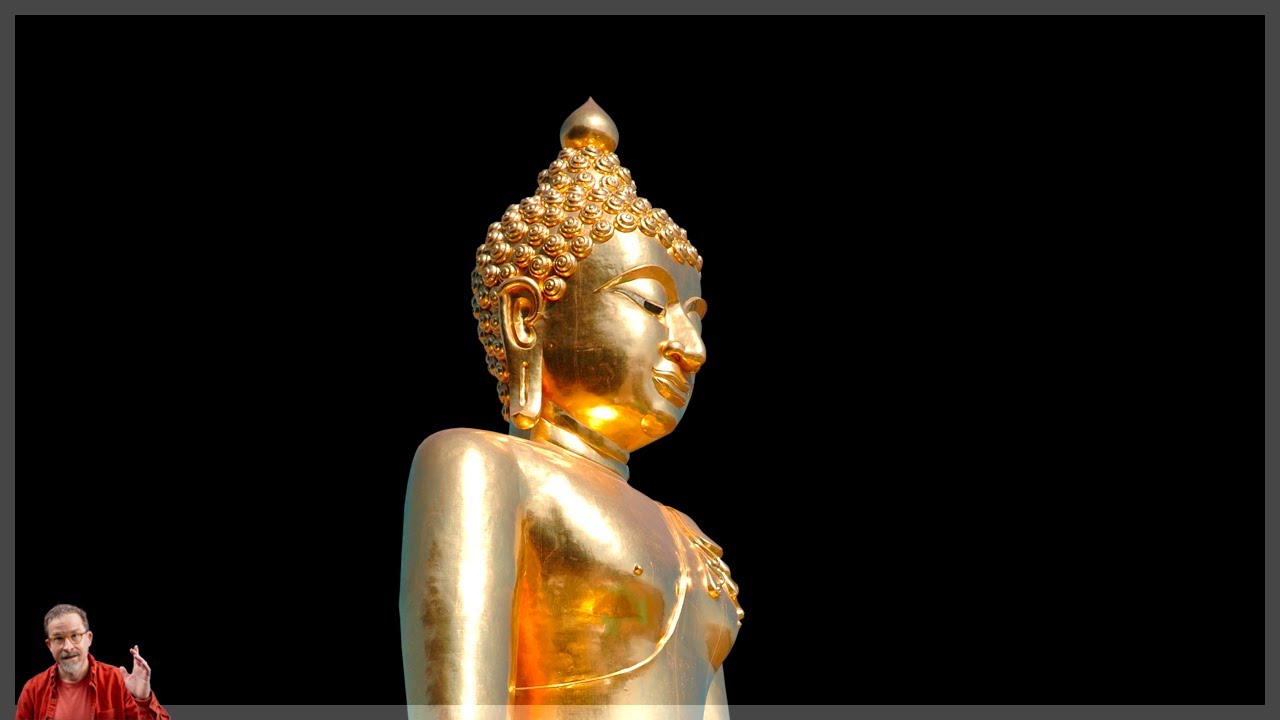
Why Buddhism?
SUMMARY: A speaker discusses why one might choose Buddhism, highlighting its sensible nature and promotion of a better life through practices like meditation and ethical living.
IDEAS:
- Buddhism offers a personalized path based on individual backgrounds and interests.
- It challenges the notion of permanence, emphasizing the constant change in life.
- Buddhism asserts life’s inherent difficulties, including unavoidable suffering.
- The concept of self is seen as a changing construct, not a permanent essence.
- Cognitive sciences support Buddhism’s view on the impermanent nature of self.
- Recognizing the fluidity of identity can ease egoism and improve interpersonal relations.
- Buddhism’s tenets are deeply rooted in observable truths and practical wisdom.
- Ethical living and meditation are core practices for alleviating life’s suffering.
- The Buddha’s parable of two arrows distinguishes between pain and added suffering.
- Practices aim to cultivate kindness, compassion, and stress relief.
- Buddhism’s clarity and non-controversial aspects make it accessible and appealing.
- Secular interpretations of Buddhism focus on this-life practices, setting aside rebirth.
- The essence of Buddhism is extinguishing suffering, greed, hatred, and delusion.
- Psychological research supports the benefits of communal spiritual practice for happiness.
- Clarity of mind from meditation is one of many benefits Buddhism offers.
INSIGHTS:
- Personal journeys to Buddhism reflect diverse existential quests and cultural narratives.
- Impermanence in Buddhism mirrors life’s transitory nature, fostering adaptability.
- Suffering’s inevitability in Buddhism encourages acceptance and resilience.
- Buddhism’s fluid self-concept aligns with modern cognitive science findings.
- Ego reduction through non-attachment enhances social harmony and self-awareness.
- Practical wisdom in Buddhism resonates with observable life experiences.
- Ethical living in Buddhism promotes harm reduction for oneself and others.
- Meditation in Buddhism serves as a tool for emotional regulation and focus.
- Accessibility of Buddhist practices stems from their intuitive, non-dogmatic nature.
- Secular Buddhism adapts ancient wisdom to contemporary skeptical worldviews.
- Extinguishing negative mental states is central to Buddhist spiritual goals.
- Communal practice in Buddhism enhances life’s meaning through shared growth.
- Meditation’s clarity benefits underscore Buddhism’s practical approach to well-being.
QUOTES:
- “Buddhism offers a personalized path based on individual backgrounds and interests."
- "Everything is change; there’s no lasting permanency in the world."
- "Life is difficult… life involves suffering."
- "There’s no permanent Essence to who we are."
- "The self is essentially a kind of a construct."
- "Recognizing the fluidity of identity can ease egoism and improve interpersonal relations."
- "Buddhism promotes a good healthy way of living."
- "Pain in life is something that we cannot avoid… suffering… we can learn to let go of."
- "The Buddha had a very famous parable of the two arrows."
- "Buddhism offers various practices of meditation… involving calming, focus, and stress relief."
- "Buddhism also recommends a practice of ethical living."
- "Buddhism is best seen as a practice for this life."
- "The purpose of living the spiritual life… is extinguishment of suffering."
- "Research in Psychology also shows that it can be beneficial to our happiness."
- "Clarity of mind from meditation is one of many benefits Buddhism offers.”
HABITS:
- Engaging with viewers’ questions to create content that addresses their curiosities.
- Reflecting on personal reasons for choosing specific spiritual paths like Buddhism.
- Considering multiple perspectives within a spiritual tradition to find personal fit.
- Embracing the concept of impermanence as a daily lived experience.
- Acknowledging life’s inherent difficulties while maintaining an optimistic outlook.
- Aligning personal identity with the fluid nature of the self as taught by Buddhism.
- Practicing non-attachment to reduce egoism and improve relationships.
- Incorporating ethical living into daily practice to minimize harm to all beings.
- Utilizing meditation for emotional regulation, focus, and stress relief.
- Differentiating between unavoidable pain and optional suffering in life experiences.
- Seeking secular interpretations of spiritual teachings when traditional views clash.
- Emphasizing extinguishment of negative mental states as a spiritual goal.
- Valuing communal spiritual practice for its psychological benefits and meaning-making.
- Regularly practicing meditation to achieve clarity of mind and well-being.
FACTS:
- Buddhism does not have a single unified form; it varies widely.
- The three marks of existence are central to Buddhist philosophy.
- Change is an undeniable aspect of daily life according to Buddhism.
- Traditional Buddhism includes concepts like rebirth in its teachings.
- Cognitive sciences have validated Buddhism’s view on the non-permanent self.
- The Buddha used parables to illustrate his teachings on suffering.
- Ethical living is a key recommendation within Buddhist practice.
- Secular Buddhism offers an interpretation focused on current life practices.
- Psychological research supports communal practice for enhancing happiness.
- Meditation is known for its benefits in promoting mental clarity.
REFERENCES:
- Viewer questions about choosing Buddhism as a spiritual path.
- The three marks of existence in Buddhist philosophy.
- The Buddha’s parable of the two arrows explaining pain versus suffering.
- Secular interpretations of Buddhist teachings for modern practitioners.
- Sariputta, the Buddha’s disciple known for his wisdom on the essence of Buddhism.
RECOMMENDATIONS:
- Explore personal reasons for engaging with spiritual traditions like Buddhism.
- Embrace impermanence as a fundamental truth in daily life experiences.
- Acknowledge life’s difficulties while fostering an optimistic worldview.
- Align your sense of self with cognitive science insights on impermanence.
- Practice non-attachment to ease ego-driven conflicts and improve relationships.
- Incorporate ethical living principles to reduce harm in daily interactions.
- Utilize meditation for emotional well-being, focus, and stress management.
- Distinguish between inevitable pain and optional emotional suffering in life.
- Consider secular approaches if traditional spiritual beliefs do not resonate.
- Emphasize extinguishing negative mental states as a key spiritual objective.