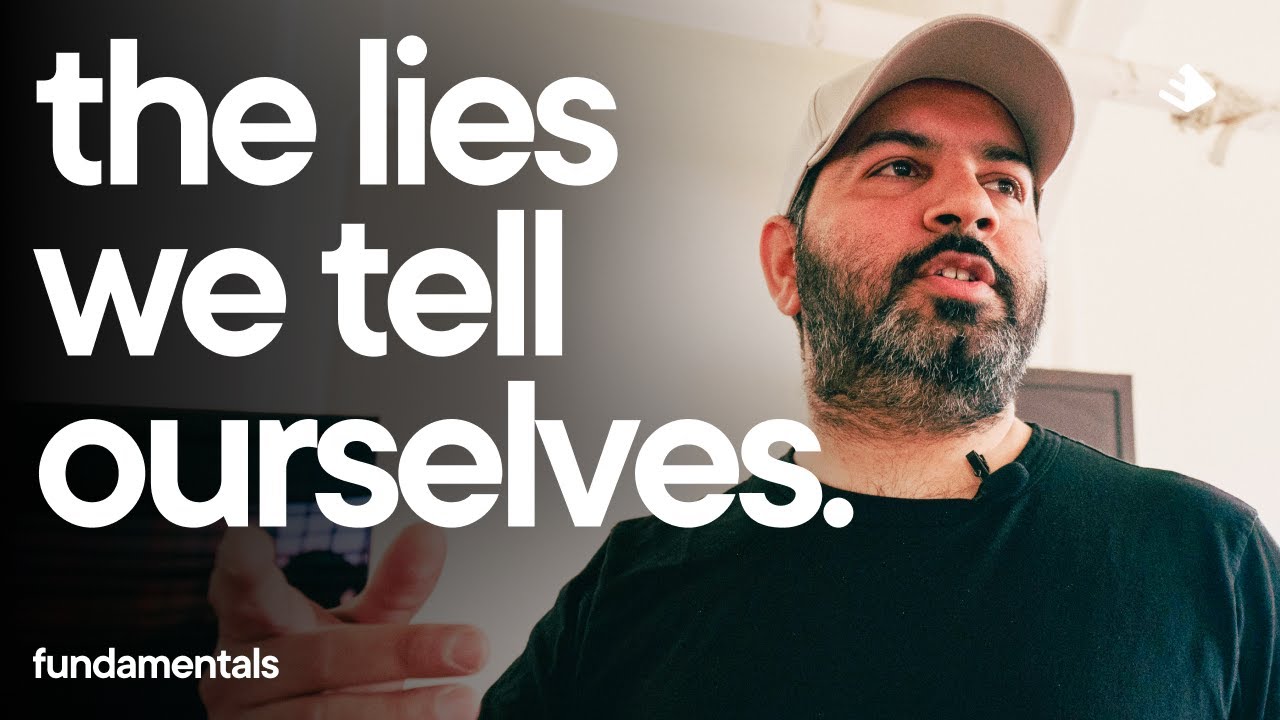
20 years of startup experience in 1 hour.
SUMMARY:
The speaker at Build Space SF2 discusses the importance of shipping a product early to establish a feedback loop, drawing from personal experiences and emphasizing the build-measure-learn cycle for continuous improvement.
IDEAS:
- Shipping a “toy version” of a product quickly is crucial for early feedback.
- Early career success can lead to overconfidence and neglect of market validation.
- A feedback loop is essential for validating a product’s value to users.
- Building, measuring, and learning are key components of product development.
- Diverse projects share a common need for validation through user feedback.
- The “build-measure-learn” cycle accelerates understanding of market fit.
- Shipping quickly allows for rapid iteration and learning from user interactions.
- Distribution is necessary for meaningful measurement and subsequent learning.
- Honest learning from metrics prevents self-deception and guides improvements.
- Seeking external perspectives helps validate internal assumptions about value.
- Finding passionate users is more important than appealing to everyone initially.
- The “two Miracle problem” highlights the risk of sequential, dependent goals.
- Networking with industry peers provides insights and helps avoid common pitfalls.
- Creating a community or support group can enhance accountability and progress.
- Identifying a specific audience’s needs is more effective than targeting everyone.
- A product’s success becomes obvious when it gains momentum without prompting.
- User feedback is invaluable; direct interaction can reveal product strengths.
- The need for a product should be evident through user enthusiasm and demand.
INSIGHTS:
- Early product versions should focus on core functionality to test market interest.
- Overconfidence in one’s vision can blind entrepreneurs to market realities.
- Continuous iteration based on user feedback leads to better product-market fit.
- User engagement and passion are better indicators of success than broad appeal.
- Honest assessment of feedback is crucial for pivoting or persevering with ideas.
QUOTES:
- “Shipping a toy version of your product ASAP is crucial for feedback."
- "Building something valuable requires understanding what value means."
- "I learned the hard way: ship early, or risk running out of resources."
- "Catchphrases like ‘GTF’ originate from the urgency to ship products."
- "The loop of building, shipping, and sharing is vital for creators."
- "Even diverse projects follow the same loop of creating and validating value."
- "A week is a natural container for measuring progress after shipping."
- "Build quick, measure with enough distribution, and learn honestly."
- "Learning from metrics is about questioning hard facts in your mind."
- "When an idea works, it runs away from you, demanding no push."
- "Seeking feedback prevents wasting time and energy on unvalidated ideas."
- "Different perspectives help break out of your own thought box."
- "Feedback allows you to improve faster, getting from point A to B quickly."
- "We lie to ourselves, creating truths in our heads without evidence."
- "A successful idea feels like pushing a boulder up a hill until it rolls freely."
- "Product-market fit feels like the product works whether you push it or not."
- "Structure your life to maintain the build-measure-learn cycle post-program."
- "Seeking industry peers immediately provides insights into new ventures."
- "Reaching out to people in your field can lead to valuable connections.”
HABITS:
- Ship early versions of products to gather user feedback quickly.
- Reflect on past mistakes to avoid overconfidence in future projects.
- Engage with diverse audiences to validate the universal value of products.
- Iterate rapidly based on user feedback to refine product offerings.
- Measure progress weekly to maintain momentum and focus on goals.
- Prioritize honest learning from user interactions over internal assumptions.
- Seek external validation to challenge personal beliefs about product value.
- Build a supportive community for accountability and shared learning.
- Network with industry peers for insights and avoid common pitfalls.
- Continuously interact with users to understand their needs and preferences.
FACTS:
- The speaker learned the importance of shipping early from personal experience.
- Build Space SF2 participants are encouraged to ship a toy version of their product.
- Feedback loops are foundational in validating a product’s market fit.
- The build-measure-learn cycle is a common approach in entrepreneurship.
- Diverse creators share the challenge of finding value in their creations.
- Software, data, music, content, and service businesses all require validation.
- User validation helps entrepreneurs avoid self-deception about their products.
- The speaker’s past startup experience involved a critical pivot after 13 months.
- Twitch demonstrated that creators could earn a living by streaming games online.
- Founders Inc started as a small group in Discord discussing entrepreneurship.
REFERENCES:
- Build Space SF2
- Founders Inc
- Twitch
- OBS (Open Broadcaster Software)
- Third Web
- Amazon
- Snapchat
- House Party app
- Machine learning in games
- AI teddy bear project at Founders Inc
- Venture capital industry
- Consumer apps in various industries
RECOMMENDATIONS:
- Ship early versions of products to gather user feedback quickly.
- Reflect on past mistakes to avoid overconfidence in future projects.
- Engage with diverse audiences to validate the universal value of products.
- Iterate rapidly based on user feedback to refine product offerings.
- Measure progress weekly to maintain momentum and focus on goals.
- Prioritize honest learning from user interactions over internal assumptions.
- Seek external validation to challenge personal beliefs about product value.
- Build a supportive community for accountability and shared learning.
- Network with industry peers for insights and avoid common pitfalls.
- Continuously interact with users to understand their needs and preferences.